Australia remains one of the world’s most popular destinations for international students seeking high‑quality education, global exposure, and long‑term career opportunities. But before the journey begins, every student must navigate the Student Visa Subclass 500—a process filled with official requirements, financial obligations, and real‑world challenges.
This blog is inspired by a detailed, interview‑style YouTube conversation between host Peter and renowned Australian study visa expert Alice, who breaks down everything students need to know before applying.
🎤 Introduction: Understanding the Australian Student Visa
The video opens with Peter welcoming viewers to the NAATI Experts YouTube channel and introducing Alice, a respected study visa specialist from Australia.
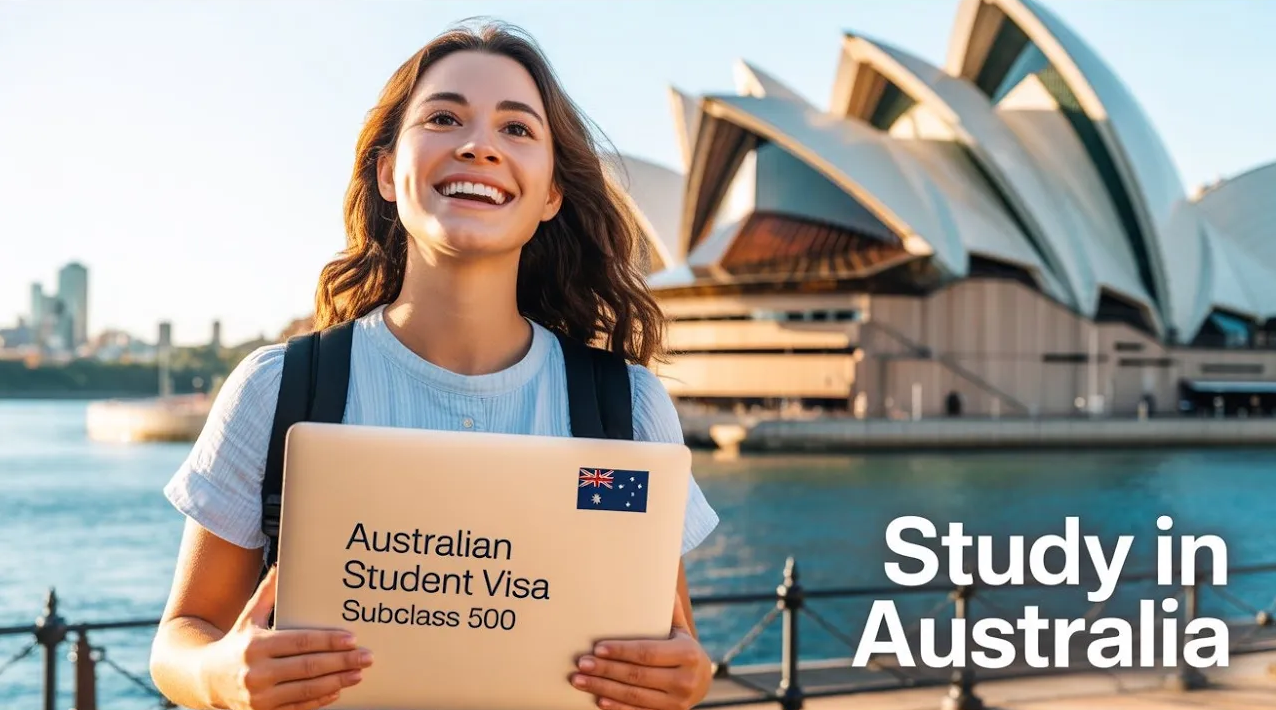
Alice explains that the Student Visa Subclass 500 is the foundation of every international student’s journey. It allows students to live, study, and work in Australia for the duration of their course—but only if they meet all official requirements.
🟦 Section 1: Official Requirements for Student Visa Subclass 500
Alice outlines the core pillars of the visa:
✔️ Key Eligibility Requirements
- Minimum age of 6 years (with specific age limits for school students)
- Confirmation of Enrolment (CoE) from a registered Australian education provider
- CoE required for every intended course
- Health and character checks, including medical exams and police clearances
- Overseas Student Health Cover (OSHC) for the entire duration of stay
These requirements ensure that students are genuinely enrolled, healthy, and prepared for life in Australia.
🟦 Section 2: Financial Capacity – The Biggest Change in 2024
One of the most significant updates came into effect on May 10, 2024.
💰 Updated Financial Requirement
A single student must now show access to AUD 29,710 for annual living costs.
This is a major increase, introduced to ensure students can manage Australia’s rising cost of living.
✔️ Accepted Proof of Funds
- Bank deposits
- Education loans
- Scholarships
- Evidence of high annual personal income
Alice emphasizes that this requirement demonstrates a student’s seriousness and financial readiness.
🟦 Section 3: English Language Tests – Expanded Options
Great news for applicants: Australia has expanded its list of approved English tests from 5 to 9.
📝 Accepted English Tests
- Cambridge C1 Advanced
- CELPIP General
- IELTS Academic & General Training (with one skill retake)
- LanguageCert
- MET
- OET
- PTE Academic
- TOEFL iBT
⚠️ Important Notes
- All tests must be taken at secure test centres
- At‑home or remote versions are not accepted
- Test results are valid for three years
This expansion gives students more flexibility and accessibility.
🟦 Section 4: The Genuine Student (GS) Requirement
The GS requirement replaced the previous GTE (Genuine Temporary Entrant) rule.
🎯 What GS Means
It ensures that the applicant’s primary purpose is education, not migration.
📝 Students must answer questions about:
- Their home‑country circumstances
- Why they chose Australia
- Why they selected their specific course
- How the course aligns with future career goals
- Planned living arrangements
Each response has a 150‑word limit, and supporting documents are essential.
Alice explains that while Australia acknowledges that skilled graduates may later pursue PR, the initial intent must be academic.
🟦 Section 5: Real‑World Challenges Students Must Prepare For
Official requirements are one thing—but reality often looks different.
💸 Actual Cost of Living
While the official minimum is AUD 29,710, Alice reveals:
- In cities like Sydney, real living costs can exceed AUD 40,000 per year
- Hidden expenses include:
- Visa fees
- English test fees
- Application charges
- Unexpected personal costs
Students should plan for a significant financial buffer to avoid stress.
🟦 Section 6: Work Rights & Risks of Exploitation
Student visa holders can work 48 hours per fortnight during study periods.
⚠️ However, many face challenges:
- Systemic underpayment
- Fear of reporting exploitation
- Pressure to exceed work limits
- Being paid below minimum wage
Alice stresses that students must know their rights and should not rely solely on part‑time work to cover all expenses.
🟦 Section 7: Post‑Study Pathways – Temporary Graduate Visa (Subclass 485)
The Temporary Graduate Visa (485) allows graduates to live and work in Australia temporarily.
⏳ Typical Duration
- 2 years for Bachelor’s or Master’s
- 3 years for Master’s Research or PhD
⚠️ Major Policy Change (Mid‑2024)
The 2‑year extension of post‑study work rights has been removed.
This shift is part of Australia’s new migration strategy, meaning students must reassess long‑term plans.
🎉 Final Thoughts: Navigating the Student Visa Journey
Peter and Alice’s conversation highlights the contrast between official requirements and real‑world realities. From rising living costs to stricter integrity measures, students must be well‑prepared before applying.
And that’s where NAATI Experts comes in.
🎓 NAATI Experts – Your Partner in Visa Success
Language proficiency plays a major role in your migration journey. At NAATI Experts, we offer:
- Premium online coaching for NAATI CCL, Hindi, and Punjabi
- Exam‑based practice
- Proven training methods
- Expert guidance to help you earn 5 crucial PR points
Your success is our mission.
Don’t forget to like, share, and subscribe to the NAATI Experts YouTube channel for more essential updates and expert insights.
Your support means the world to us.